The digital landscape for the hospitality industry is evolving rapidly. A hotel website is not simply a digital brochure; it is that key employee of yours that never sleeps. However, if its content remains static, it is merely a cost. To transform it into a highly profitable asset, hoteliers must understand how AI can assist hotels to secure Direct Bookings in 2026. Here are five technology-driven strategies that redefine digital success.
1. Instant Relevance
The first rule is to stop delivering a generic experience. A static hotel website fails to engage modern travellers. With intelligent web design, a good website recognises the particulars of the user that's currently browsing and adapts the offering based on their behaviour. Every website element reacts to the user, displaying different images and content tailored to their specific history and interests. Anticipation - showing guests exactly what they want to see before they even ask - is the key to removing barriers and dropping the abandonment rate.
2. Assisted Decision-Making
Providing too many choices on a booking engine page often results in no choice being made. When faced with 15 or more different room types, users frequently become overwhelmed and return to the simplicity of OTAs like Booking.com. The solution, and second rule, is to use technology as digital concierge and again anticipate the user's likely needs. For example, Bookassist's AI Booking Platform analyses user filters and curates and selects only the top three perfect room/package solutions for their specific needs, resulting in far higher engagement and more bookings. Simplifying the decision-making process through an intelligent Booking Platform is the most effective way to secure more direct reservations. For further insights on how technology impacts growth, you can review Bookassist's blog on conversion strategies.
3. Margin Maximisation
Securing the room is just the starting point. The third rule is to never settle for only the room sale. A good platform evaluates the guest profile and suggests the perfect add-on, such as a massage or dining experience, at the exact moment of digital checkout. This happens just when their propensity to spend is highest and they are already committed.
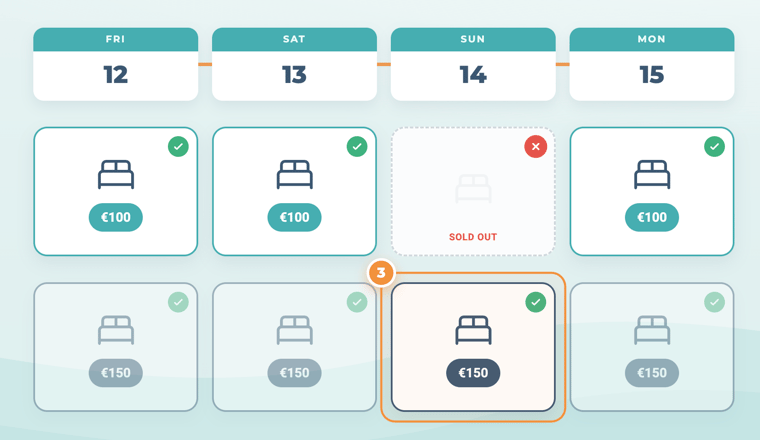
The same logic applies when a guest’s first choice is no longer available. With intelligent room substitution, the booking engine proposes the closest alternative, or an upgrade, instead of showing a “no availability” message that sends the guest back to an OTA.
4. Selling the Brand
The fourth rule is understanding what your users are after and when. Technology plays a critical role in selling gift vouchers by understanding when a user is searching for a present rather than a personal stay. At this point, the website shifts from selling specific dates to selling the hotel brand. Vouchers provide immediate cash flow and guarantee pure profit on unredeemed purchases. Strikingly, 15% of vouchers are never redeemed, creating an immediate net profit margin. This strategy ensures revenue generation 365 days a year, even during sold-out periods.
5. Supplying the Fuel
A high-converting website is useless if no one can find it. The fifth rule is about employing an intelligent Digital Media strategy, not just for visibility but for the targeted capture of demand. By utilising search, metasearch and social channels all together, an omnichannel strategy directs the right user straight to your official booking page, entirely bypassing OTA commissions. For engaged clients, this targeted approach can consistently deliver a Cost Per Acquisition below 8% and a Return on Investment greater than 25:1.
| Feature |
Traditional Website |
AI-Powered Website |
| Content |
Static and generic. |
Adapts to user interests. |
| Selection |
Overwhelming lists. |
Top 3 curated options. |
| Revenue |
Room rate only. |
Targeted upsells at checkout. |
| Acquisition |
Dependent on OTAs. |
Direct traffic via Digital Media. |
How an AI Booking Engine Brings It All Together
Each of the five points above depends on the same piece of technology: the booking engine. A traditional booking engine simply lists rates and availability. An AI booking engine reads the signals a guest gives while browsing (dates, filters, device, market, previous visits) and uses them to decide what to show, in which order, and which extras to offer at checkout.
For a hotel, this means the booking engine stops being a form at the end of the journey and becomes part of the sales process. It shortens the path to the reservation, protects the average rate by recommending the right room rather than the cheapest one, and gives the revenue team clear data on what guests are actually looking for. And because it sits on the hotel’s own website, every booking it secures is commission-free.
When choosing a booking engine, hoteliers should look at three things: how easily it integrates with the existing website and PMS, how well it performs on mobile, where most travel searches now begin, and whether its recommendations can be adjusted by the hotel’s own team rather than working as a black box.
The Bottom Line
Ultimately, Artificial Intelligence will not replace the human touch that defines exceptional hospitality. However, the hotelier who embraces and uses Artificial Intelligence will undoubtedly replace the one who does not. The transition from a static digital presence to a dynamic, revenue-generating engine requires more than just software; it demands a strategic partnership.
Your website is ready to stop being a passive cost and is primed to become your most valuable commercial investment. By combining advanced technology with expert human strategy, properties can reclaim their direct margins and secure sustainable, profitable growth for the future. We are here to help you achieve exactly that.
Frequently Asked Questions
How can hotels use AI to improve direct booking rates?
Hotels can use AI at every step of the online journey: to personalise the content of their website, to recommend a short list of relevant rooms and packages in the booking engine, to suggest add-ons at checkout, and to focus search, metasearch and social campaigns on the travellers most likely to book. Together, these steps reduce abandonment and make the official website a more attractive option than an OTA.
What is an AI booking engine?
An AI booking engine is the reservation system on a hotel’s website that uses guest behaviour and booking data to personalise what is shown in real time. Instead of listing every room type, it recommends the options most likely to suit each guest and suggests relevant extras before payment.
Does AI replace the hotel’s revenue or marketing team?
No. AI handles repetitive decisions at scale, such as which room to show first or which add-on to offer, but strategy, pricing and brand still come from the hotel team. The best results come from combining the technology with human expertise.